Minimization of response time of query (time taken to produce the results to users query). 11. Database Backup and Recovery 204 8.2.
Recovery DBMS Concurrency Control Benefits of Serializability in DBMS Lets first understand the difference between a serial and non-serial schedule for a better understanding of the benefits that serializability provides.
redis What is a distributed database Checkpoints act as schedules that help in writing all the logs in a DBMS to the main memory. Introduction of DBMS (Database Management System) | Set 1. Related Questions & Answers; In this system, users have control over the data in a database and are able to read, update, create, and delete data as
Distributed Database Management System (DDBMS Oracle Partial or complete disruptions of a business can be devastating. Upgrading Kaspersky Security Center from a previous version.
Solved Explain by example how does the recovery manager of a  DATABASE MANAGEMENT SYSTEMS - emeraldshop
either transactions are completed successfully and committed (the effect is recorded permanently in the database) or the
DBMS network model It was released to manufacturing on February 4, 2008, and generally to retail on February 27, 2008. of the database and then reapplying all of the logged database changes.
Centralized restore of SQL virtual machine backups In that case, we have to roll back the failed transaction. It also contains automatic backup and recovery procedures. Business continuity planning can ensure that capacity is available for critical business operations in the time of need. Row Level Locking: The row-level locking is implemented if the clause WHERE calculates to only a single table row. The recovery manager of a centralized DBMS ensures atomicity of transactions using two types of techniques to recover a DBMS and maintain the atomicity of transactions.
Disaster Recovery and Continuity for the Database Administrator In Centralized 2 PL, a single site is responsible for lock management process. Redo: Restore all AFIMs on to disk. Full recovery mode enables point-in-time recovery. The A509 remained closed both ways for investigation work and recovery following the crash at the junction with York Road, Wollaston, at 5.50am.. Interaction with concurrency control. Manager (CM) 4 Read. But there may be changes in transaction results so maintain the order of execution of those transactions.
Data Backup And Recovery in DBMS - TutorialCup please, take your time and revise the concepts before proceeding further with the theories of DBMS. (c) OldValue: It is the value of the data item prior to the write.
DBMS vs Files System - javatpoint DBMS 1) Centralized Database. But some other transaction may also have used values produced by the failed transaction. Transaction Property In DBMS. Earlier, you have been given the concept of database recovery as a service that should be provided by all the DBMS for ensuring that the database is dependable and remains in a consistent state in the presence of failures. This problem has been solved! Restore to original database - Restore databases to the original database on the original SQL Server where the SQL VM is protected by the Data Manager VM application-aware policy, the SQL VM is running, and SQL Server is operational. There are generally three types of recovery models of database, these are explained as following below. ISBN-13: n/a. So Database recovery means recovering the data when it get deleted, hacked or damaged accidentally. Atomicity is must whether is transaction is over or not it should reflect in the database permanently or it should not effect the database at all. So database recovery and database recovery techniques are must in DBMS. Database recovery is responsible for preserving the database consistency after a failure of any kind (transaction, system or media). It is maintained and modified from that location only and usually accessed using an internet connection such as a LAN or WAN. In a centralized system, query processing is done with the following aim . If you do not want automatic restart behavior, set the autorestart database configuration parameter to OFF.As a result, you must issue the RESTART DATABASE command Gradually, DBMS systems started to exploit the available processing power at the user side, which led to client/server DBMS architectures. The above table 2 shows a schedule with two transactions. In this tutorial, we are going to learn about the database recovery techniques like crash recovery, log-based recovery, etc in the database management system. (b) Data-item Identifier: It is the unique identifier of the data item written. Describe the backup and recovery features of centralized DBMSs. Categories DBMS Post navigation. Control Files . Relevant information solely for recovery is saved in a log during normal transaction processing. Distributed database recovery is also provided in DDBMS where it provides the ability to recover from individual site crashes etc. Database management system offers an interface for performing a number of operations like creation of a database, data storage, updating data, creating tables to store information in it and much more. In this tutorial, we are going to learn about the database recovery techniques like crash recovery, log-based recovery, etc in the database management system. Advantages of DBMS. To preserve transaction properties (Atomicity, Consistency, Isolation and Durability).
Centralized and Client/Server Architectures for DBMSs DBMS uses a digital repository that is being established on a server to store and manage the information. Minimization of response time of query (time taken to produce the results to users query).
Advantages of DBMS The data access time in the case of multiple users is more in a centralized database. Centralized Database Management System. database management system (DBMS): A database management system (DBMS) is system software for creating and managing databases .
To recover from a failure, basically two operations: undo and redo A Database Management System is defined as the software system that allows users to define, create, maintain and control access to the database. A distributed database management system (DDBMS) is a centralized software system that manages a distributed database in a manner as if it were all stored in a single location.
Cloud computing Answer (1 of 2): It depends on the database system and the reason for requiring recovery which affects the type of recovery required. See the answer See the answer See the answer done loading.
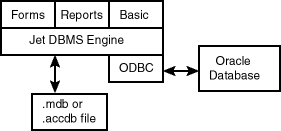
Database Recovery Models - GeeksforGeeks 1.1.1 About Recovery of Databases. It has only one lock manager for the entire DBMS. Recovery Concepts Transaction Roll-back (Undo) and Roll-Forward (Redo) To maintain atomicity, a transactions operations are redone or undone. b) Redo Pass: This pass starts from a position determined during analysis, and performs a redo, repeating history, to bring the database to a that occurred after the backup copy was made. The principal difference between the two is that, in a centralized database, all your information is stored in a single location. The log keeps track of all transaction operations that affect the values of database items. When DBMS access is required, the program establishes a connection to the DBMS (which is on the server side); once the connection is created, the client program can communicate with the DBMS. Checkpoint is used in the recovery system to recover failure transactions. Data Redundancy occurs when the same data are stored unnecessarily at different places. So Database recovery means recovering the data when it get deleted, hacked or damaged accidentally. It is the method of restoring the database to its correct state in the event of a failure at the time of the transaction or after the end of a process. ISBN-10: n/a. The recovery algorithm [Rebane and Pearl 1987] consists of the following steps:. Basically, DBMS Model is the representation type that defines the logical structure of a database and the way that regulates the behavior for data storing, forming, and operating. Irrecoverable schedule: The schedule will be irrecoverable if Tj reads the updated value of Ti and Tj committed before Ti commit. Figure illustrates the physical components in a centralized architecture. As discussed, a transaction may not execute completely due to hardware failure, system crash or software issues. After that, a particular lock manager is responsible for managing the lock for a set of data items. A standard called Open Database Connectivity (ODBC) provides an application programming interface (API), which allows client-side programs to call the DBMS, as long as It provides the functionality of Distributed directory managemen t which is the management of data in the database. Tag (s): Concurrent Programming Relational Database. In the case of a serial schedule, the multiple transactions involved are executed one after the other sequentially with no overlap.
Database Recovery Techniques in DBMS DBMS Recovery Concurrent Transaction - javatpoint Database Management System * It maintains each transaction log and writes them onto durable and reliable sto
DBMS Recoverability of Schedule - javatpoint The physical data backup includes physical files like data files, log files, control files, redo- undo logs etc. Unlike traditional file-system storage, Data Redundancy in DBMS is very less or not present. For those steps of the tests that connect to SQL Server, you might consider turning on SQL Server The data access time in the case of multiple users is less in a distributed database. Definition of DBMS Log-Based Recovery.
Database Database is a collection of related data and data is a collection of facts and figures that can be processed to produce information.. Mostly data represents recordable facts.
Data Recovery in DBMS - Data Recovery in SQL Document Type: Book.
Database Disaster Recovery For production databases, we recommend that you use the full recovery model instead of the simple recovery model. Common database management systems include Microsoft Access and FileMaker Pro. Kaspersky applications. Some problems which occur while accessing the database are as follows: 1.
Recovery in Distributed Databases - tutorialride.com The storage space required is in multiples of the storage required for a centralized system.
oracle access microsoft odbc figure jet database engine architecture doc docs cd process Recovery Performance of Recovery Algorithms for Centralized Database 31, Jan 22.
Solved Explain by example how does the recovery manager of Paperback: 363 pages.
Distributed DBMS - Database Recovery - tutorialspoint.com What is the recovery technique in DBMS? - Quora b) User can still connect by a remote terminal but all processing is done at centralized site. Generate a maximum-weight undirected spanning tree (a skeleton), using the MWST procedure (steps 1 through 5) of Section 8.2.1.. 2. Adjustment of distribution points and connection gateways. A Database Management System (DBMS) is basically a collection of programs that enables users to store, modify, and extract information from a database as per the requirements. This environment is particularly vulnerable to damage from individual users. Recoverability in DBMS.
dbms View Centralized Recovery.pdf from CS 6365 at Georgia Institute Of Technology. View Chapt no 10 Recovery.pdf from AA 1Distributed Recovery Management Introduction Like in a centralized DBMS or in any other database systems, failures can occur in a distributed database system. Moreover, in case of a server crash, DBMS restores the Database to its previous condition. Undo: Restore all BFIMs on to disk (Remove all AFIMs). Distributed Database test Distributed Database Management System: A distributed database management system (DDBMS) manages the database as if it were not all stored on the same computer.
Recoverability in DBMS - GeeksforGeeks Difference between Centralized Database and Distributed Database These applications contain the authentication process to let users access data securely. If all the nodes are connected one-to-one, then the speed of the communication would be very high, but the complexity and cost of the wires would be very high. Paper: Centralized Recovery Name: Bowen Ran Summary: This chapter firstly investigates an
What is the recovery technique in DBMS So this type of schedule is known as irrecoverable schedule. Updated on 20-Jun-2020 09:53:33. In case of immediate update mode, the recovery manager takes the following actions Defining proper access to the database, providing appropriate storage parameters and executing regular and robust maintenance routines (backup and recovery, performance monitoring, etc) are all the responsibility of a database administrator. The A509 is a short A-class road (around 30 miles (48 km) long) for north-south journeys in south central England, forming the route from Kettering in Northamptonshire to the M1 and A5 in Milton Keynes.. a robust security infrastructure, and centralized, policy-driven management.
Recovery 2.
Database Recovery Techniques Available in DBMS - CSVeda Relevant information solely for recovery is saved in a log during normal transaction processing.
What is RDBMS DBMS Log-Based Recovery - javatpoint Recovery With Concurrent Transaction In DBMS - W3schools A database server also prevents unauthorized access and provides efficient solutions for failure recovery.
DBMS Database Recovery Process with Examples. Simple Recovery : In this model, the transaction logs get automatically removed without causing and change to the files size, because of this it is difficult to make log backups. The components of Log Record : (a) Transaction Identifier: It is the unique identifier of the transaction that performed the write operation. The typical strategies for database recovery are In case of soft failures that result in inconsistency of database, recovery strategy includes transaction undo or rollback. However, sometimes, transaction redo may also be adopted to recover to a consistent state of the transaction.
Advantages and Disadvantages of DBMS Controls database redundancy: All the data is stored in one place, and that recorded in the database and hence controls the redundancy in the database. Data Redundancy.
Centralized and Client/Server Architectures for DBMSs Configure distribution points. An example system - Informix: Some background. It may be distributed over a network of interconnected computers, or it may be stored in multiple computers located in the same physical location. 1. Most databases have built-in backup and recovery tools.

Main Menu; Generalization in DBMS. Centralized and Distributed Databases 265 11.2. Primary copy 2PL mechanism, many lock managers are distributed to different sites.
CAN (Controller Area Network) protocol A DBMS makes it possible for end users to create, read, update and delete data in database. b) User can still connect by a remote terminal but all processing is done at centralized site. CiteSeerX - Document Details (Isaac Councill, Lee Giles, Pradeep Teregowda): : Database Recovery is responsible for preserving the database consistency after a failure of any kind (transaction, system or media). Our experts deliver the best quality assignment help to you at affordable prices. Windows Server 2008 is the fourth release of the Windows Server operating system produced by Microsoft as part of the Windows NT family of the operating systems. If any operation is performed on the database, then it will be recorded in the log. Relevant information solely for recovery is saved in a log during normal transaction processing. When power is restored, the operating system and the database management system restart. Difference between Centralized Database and Distributed Database.
Database Please Share. Method used for DBMS Deadlock Recovery. The method of checkpoints is used to limit the search and subsequent processing in log files. Example: If the system crashes before a fund transfer transaction completes its execution, then either one or both Study Resources. Data Migration

In the Best Practices for Enterprise Database Session at The Computing Conference 2018, topics related to disaster recovery attracted much attention. Centralized control of data c. Neither a nor b d. Both a and b 2 See answers Advertisement Advertisement AskewTronics AskewTronics Option d is the correct answer for the above question. Reduce the amount of memory and storage required for processing. When a DBMS recovers from a crash, it should maintain the following . It should check the states of all the transactions, which were being executed. A transaction may be in the middle of some operation; the DBMS must ensure the atomicity of the transaction in this case. .
myburgh It comforts the users to access the stored data from different locations through several applications. In case of immediate update mode, the recovery manager takes the following actions . This article introduces the They are the foundation of the recovery mechanism in the database as they provide the minute details about the transactions and modification to the database.
Serializability in DBMS Cloud computing is the on-demand availability of computer system resources, especially data storage (cloud storage) and computing power, without direct active management by the user. Primary copy 2PL mechanism, many lock managers are distributed to different sites.
Centralized and Client Server Architecture For DBMS Centralized Database redis deployments latency software Database Management System | Dependency Preserving Decomposition The main advantage of a centralized database is its ability to access information in one location.
Crash recovery - IBM Best Practices for Service Providers (Online Help only) Distributed Database Management System. Lets take an example to understand the log-based recovery in DBMS: A transaction T1 is modifying the Department of an employee, for this operation, the following log is maintained: Log entry to mark the start of the transaction:
. A database object is any defined object in a database that is used to store or reference data.Anything which we make from create command is known as Database Object.It can be used to hold and manipulate the data.Some of the examples of database objects are : view, sequence, indexes, etc.. Table Basic unit of storage; composed rows and columns View Query Optimization in Centralized Systems - tutorialspoint.com Increased Cost and Complexity of Data Updating Each time a data item is updated, the update needs to be reflected in all the copies of the data at the different sites. Log-based recovery Or Manual Recovery): In this method, log of each transaction is maintained in some stable storage, so that in case of any failure, it can be recovered from there to recover the database. Applies to: SQL Server (all supported versions) For SQL Server Enterprise and Standard editions, this rule checks for non-read-only user databases that have recovery set to simple. (recovery from system failure)-, 1 Read, Write, Commit, Abort T \ 1 Recovery Manager (RM) Fetch, Flush Read, Write Stable database \ Cache t Read, I. Centralized deployment. Database Recovery Techniques DBMS is an intermediate layer Advantages of DBMS Database Recovery Techniques in DBMS - GeeksforGeeks what additional function does a DDBMS have over a centralized DBMS Centralized and Client-Server DBMS Architectures: Centralized DBMS: a) Merge everything into single system including- Hardware, DBMS software, application programs, and user interface processing software. The most common method to recover from a deadlock is to rollback one or more transactions until a no deadlock situation is reached. DBMS offers automatic backup and recovery of the data. By this facility we are able to find the time when the failure has occurred. Following are the top 15 advantages are as follows: 1. It is the type of database that stores data at a centralized database system. Also, because of data centralization, even minor disasters such as disk failure can affect many or all users. Physical log - If you want crash recovery to be performed automatically by the database manager, enable the automatic restart (autorestart) database configuration parameter by setting it to ON.

